A long-established breeding hillside for egrets, herons and cattle egrets, with the largest arrival traditionally seen in April and May; the site is listed always open, free and with parking, but use distant observation, avoid nests and private land, keep noise low and confirm seasonal presence, heat, rain and legal stopping space. This catalogue page connects the stop to traveller ratings, current field reports, nearby regional anchors and sourced community corrections.
Each room follows the Seoul calendar day, then becomes a read-only visit record. Share current waits and practical tips without publishing your precise location. Group push notifications stay off during beta.
PLAN THE VISIT
The details that change the day.
Operator facts are labeled separately from Korea Era estimates and guidance.
This is a habitat area rather than a staffed single-building entrance.
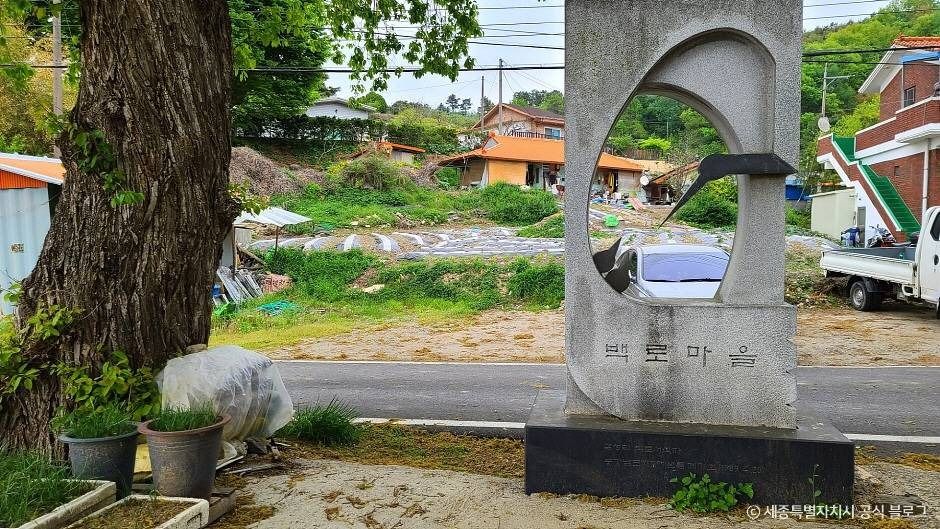
Season boundaryLargest traditional arrival around April-May · presence and species are not guaranteedWildlife boundaryNo nest approach, feeding, playback, flash, drone or branch disturbancePrivate-land boundaryNo entry to homes, fields, farm tracks or nesting trees without permissionHealth boundaryObey any avian-disease, sanitation or temporary access controlParking boundaryParking is listed · only a signed legal space counts on the rural roadEquipmentUse binoculars or a long lens and keep observation time short in heat or rainPhoto scopeCurrent hero shows the real stone egret monument, roadside trees and rural hillside
It does not show a current flock, nest, official hide, guaranteed parking or public access beyond the road edge.
Checked September 2, 2026. Recheck current hours, admission, closures and transport before travel.
Map pinAudited official destination coordinate
The place coordinate is exact; use the named gate, parking area or accessible entrance for the final route.
Mobility checkTrail grade, steps, surface conditions, rest points and step-free alternatives are not assumed; check the official access notice.
DAY-OF PLAN
Know the sequence before you go.
Times from the operator are kept separate from Korea Era planning guidance.
01
Check the breeding season and observation value
The public record notes the strongest traditional arrival around April and May, but wildlife presence is never guaranteed. Use current seasonal reports and avoid travelling only for one expected species.
02
Observe from a distance
Remain on a legal public observation point, keep voices and lights low and do not enter nesting trees, homes, fields or work areas. A long lens is safer than approaching birds.
03
Protect both residents and birds
Use only a legal signed space, never block the rural road, remove all food and rubbish and leave immediately if birds show alarm or residents request distance.
No. Those months are a traditional peak, but migration, weather, habitat and disturbance change current presence.
Can I enter the hillside for a closer photograph?
No unless a clearly public route permits it. Keep out of nesting trees, fields and private property and observe from a legal distance.
Are the operating details for Geumnam Egret Habitat live?
The displayed guidance was checked September 2, 2026, but it is not a live operator feed. Open the linked official guide and a Korean map again on the day because hours, closures, tickets and transport can change.
Can a traveller correct this page?
Yes. Submit a sourced community wiki correction or a current field report; proposed facts are reviewed before becoming canonical information.
KOREA ERA SHARE
Send this without forcing a sign-up
Public link · Anyone can view
Save this for your Korea tripNo account required during beta.
TRAVELLER CHANNELS
See Geumnam Egret Habitat through a traveler's own post.
Direct links only. Korea Era does not copy the post, imply endorsement or verify live conditions from it.
A long-established breeding hillside for egrets, herons and cattle egrets, with the largest arrival traditionally seen in April and May; the site is listed always open, free and with parking, but use distant observation, avoid nests and private land, keep noise low and confirm seasonal presence, heat, rain and legal stopping space. This catalogue page connects the stop to traveller ratings, current field reports, nearby regional anchors and sourced community corrections.Recheck the official source before visiting.
Read the full Wiki articleDetailed facts, sources and revision history
KOREA ERA WIKI
TRAVEL KNOWLEDGE DOCUMENT
Geumnam Egret Habitat
금남 백로 서식지A reviewed foundation built from official sources. Traveler edits are checked before publication.
Document statusReviewed foundation5 current facts0 approved edits
Global is the shared verified foundation. Country editions add approved local guidance; ratings, discussions and edit histories stay separate.
Showing the shared Global facts and Global edit history.
A long-established breeding hillside for egrets, herons and cattle egrets, with the largest arrival traditionally seen in April and May; the site is listed always open, free and with parking, but use distant observation, avoid nests and private land, keep noise low and confirm seasonal presence, heat, rain and legal stopping space. This catalogue page connects the stop to traveller ratings, current field reports, nearby regional anchors and sourced community corrections.
Gamseong-ri, Geumnam-myeon, SejongThis is a habitat area rather than a staffed single-building entrance.
Season boundary
Largest traditional arrival around April-May · presence and species are not guaranteed
Wildlife boundary
No nest approach, feeding, playback, flash, drone or branch disturbance
Private-land boundary
No entry to homes, fields, farm tracks or nesting trees without permission
Health boundary
Obey any avian-disease, sanitation or temporary access control
Parking boundary
Parking is listed · only a signed legal space counts on the rural road
Equipment
Use binoculars or a long lens and keep observation time short in heat or rain
Photo scope
Current hero shows the real stone egret monument, roadside trees and rural hillsideIt does not show a current flock, nest, official hide, guaranteed parking or public access beyond the road edge.
Always open · year-round · free
Wildlife, private-land, disease-control and road restrictions override the broad listing.Checked 1/1/2026 · Korea Era editors · source
Official links
VISITKOREA · Geumnam Egret Habitat · catalogue checked August 26, 2026Checked 1/1/2026 · Korea Era editors · source
3. Visit flow
01
Before travel
Check the breeding season and observation value
The public record notes the strongest traditional arrival around April and May, but wildlife presence is never guaranteed. Use current seasonal reports and avoid travelling only for one expected species.
02
At the habitat edge
Observe from a distance
Remain on a legal public observation point, keep voices and lights low and do not enter nesting trees, homes, fields or work areas. A long lens is safer than approaching birds.
03
Before stopping or leaving
Protect both residents and birds
Use only a legal signed space, never block the rural road, remove all food and rubbish and leave immediately if birds show alarm or residents request distance.
4. Traveler tips
Bring binoculars and accept a no-bird visit rather than moving closer to nesting trees.
Avoid dawn noise near homes and never use recorded calls to force a photograph.
Combine the stop with another confirmed south-Sejong destination because seasonal wildlife may be absent.
Search “금남 백로 서식지 세종특별자치시 금남면 감성리” in Naver Map or Kakao Map and confirm the exact entrance and return route.
Recheck weather, trail or garden closures, last entry and seasonal conditions before departure.
The audited coordinate identifies the named destination, but the final gate, parking area and step-free entrance still need a live route check.
No. Those months are a traditional peak, but migration, weather, habitat and disturbance change current presence.
Can I enter the hillside for a closer photograph?
No unless a clearly public route permits it. Keep out of nesting trees, fields and private property and observe from a legal distance.
Are the operating details for Geumnam Egret Habitat live?
The displayed guidance was checked September 2, 2026, but it is not a live operator feed. Open the linked official guide and a Korean map again on the day because hours, closures, tickets and transport can change.
Can a traveller correct this page?
Yes. Submit a sourced community wiki correction or a current field report; proposed facts are reviewed before becoming canonical information.