A historic Geum River landing landscape with an old pine grove, riverside paths and the legend behind Gongju's name; check flood controls, summer insects and the walking connection to nearby Baekje sites. This catalogue page connects the stop to traveller ratings, current field reports, nearby regional anchors and sourced community corrections.
Each room follows the Seoul calendar day, then becomes a read-only visit record. Share current waits and practical tips without publishing your precise location. Group push notifications stay off during beta.
PLAN THE VISIT
The details that change the day.
Operator facts are labeled separately from Korea Era estimates and guidance.
Use the signs to distinguish the grove, river landing and ritual landscape.
Correct arrivalAround 452-3 Ungjin-dong · use the designated visitor path
The catalogue centre is not a riverside access guarantee.
Public transportCity guide describes a bus plus roughly 1 km walk
Verify the current route and final return in a Korean transit app.
River boundaryWater level and weather can close low paths
Do not cross barriers or enter muddy banks for a photograph.
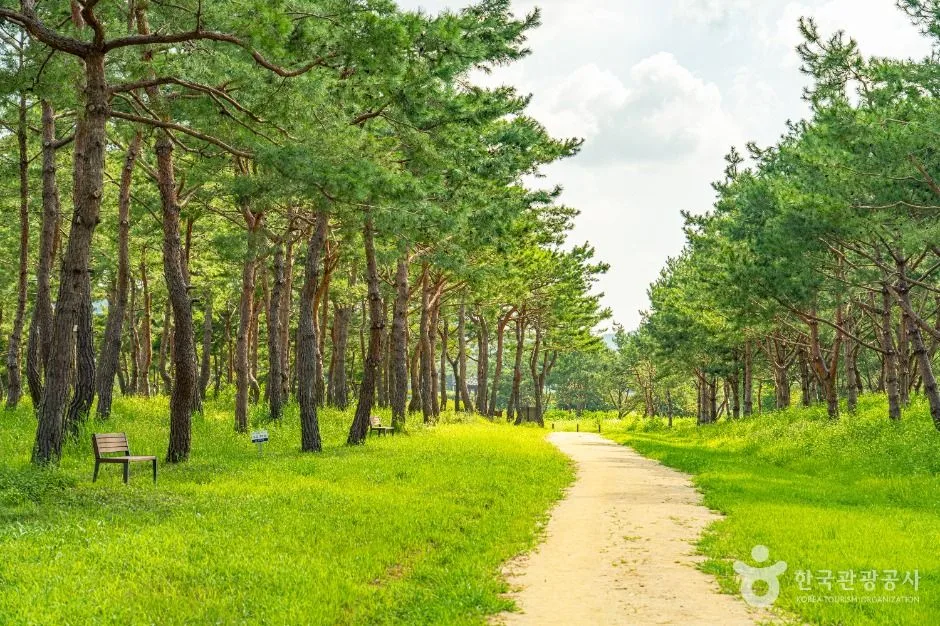
ComfortShade in the grove · insects and exposed river segments in seasonPhoto scopeCurrent hero shows the real sandy path beneath Gomanaru's tall pine grove
It does not show river level, the nearest legal parking entrance or current path closures.
Checked August 29, 2026. Recheck current hours, admission, closures and transport before travel.
Map pinApproximate catalogue centre
Use a Korean map app for the exact entrance and final walking route.
Mobility checkTrail grade, steps, surface conditions, rest points and step-free alternatives are not assumed; check the official access notice.
DAY-OF PLAN
Know the sequence before you go.
Times from the operator are kept separate from Korea Era planning guidance.
01
Start with the pine grove and Ungjin altar landscape
This is a historic riverside landscape, not a staffed museum. Use the designated paths and interpretive signs while keeping the Geum River edge separate from the grove.
02
Check path and flood controls
The official page does not promise one all-weather opening window. Barriers, water level, mud and maintenance can restrict the riverside connection.
03
Choose the correct connection
The grove is near the museum and royal-tomb district but road crossings and entrances matter. Save the next gate rather than following a straight map line.
Is Gomanaru a staffed attraction with a last-entry time?
The city presents it as an outdoor pine-grove and historic river landscape and does not publish a single staffed admission window. Current barriers and river conditions still govern access.
Can I walk directly from the grove to every nearby pin?
Not by assuming a straight line. Use designated paths and crossings and save the next museum or tomb entrance in a Korean map.
Are the operating details for Gomanaru Pine Forest live?
The displayed guidance was checked August 29, 2026, but it is not a live operator feed. Open the linked official guide and a Korean map again on the day because hours, closures, tickets and transport can change.
Can a traveller correct this page?
Yes. Submit a sourced community wiki correction or a current field report; proposed facts are reviewed before becoming canonical information.
KOREA ERA SHARE
Send this without forcing a sign-up
Public link · Anyone can view
Save this for your Korea tripNo account required during beta.
TRAVELLER CHANNELS
See Gomanaru Pine Forest through a traveler's own post.
Direct links only. Korea Era does not copy the post, imply endorsement or verify live conditions from it.
A historic Geum River landing landscape with an old pine grove, riverside paths and the legend behind Gongju's name; check flood controls, summer insects and the walking connection to nearby Baekje sites. This catalogue page connects the stop to traveller ratings, current field reports, nearby regional anchors and sourced community corrections.Recheck the official source before visiting.
Read the full Wiki articleDetailed facts, sources and revision history
KOREA ERA WIKI
TRAVEL KNOWLEDGE DOCUMENT
Gomanaru Pine Forest
공주 고마나루A reviewed foundation built from official sources. Traveler edits are checked before publication.
Document statusReviewed foundation5 current facts0 approved edits
Global is the shared verified foundation. Country editions add approved local guidance; ratings, discussions and edit histories stay separate.
Showing the shared Global facts and Global edit history.
A historic Geum River landing landscape with an old pine grove, riverside paths and the legend behind Gongju's name; check flood controls, summer insects and the walking connection to nearby Baekje sites. This catalogue page connects the stop to traveller ratings, current field reports, nearby regional anchors and sourced community corrections.
Old Geum River landing · Ungjin water-spirit altar · bear legendUse the signs to distinguish the grove, river landing and ritual landscape.
Correct arrival
Around 452-3 Ungjin-dong · use the designated visitor pathThe catalogue centre is not a riverside access guarantee.
Public transport
City guide describes a bus plus roughly 1 km walkVerify the current route and final return in a Korean transit app.
River boundary
Water level and weather can close low pathsDo not cross barriers or enter muddy banks for a photograph.
Comfort
Shade in the grove · insects and exposed river segments in season
Photo scope
Current hero shows the real sandy path beneath Gomanaru's tall pine groveIt does not show river level, the nearest legal parking entrance or current path closures.
Public pine-grove landscape · no fixed staffed schedule published
Recheck flood, maintenance and event controls before travel.Checked 1/1/2026 · Korea Era editors · source
Official links
Gongju City Tourism · Gomanaru · catalogue checked August 26, 2026Checked 1/1/2026 · Korea Era editors · source
3. Visit flow
01
Daylight
Start with the pine grove and Ungjin altar landscape
This is a historic riverside landscape, not a staffed museum. Use the designated paths and interpretive signs while keeping the Geum River edge separate from the grove.
02
After rain or river alerts
Check path and flood controls
The official page does not promise one all-weather opening window. Barriers, water level, mud and maintenance can restrict the riverside connection.
03
Before walking onward
Choose the correct connection
The grove is near the museum and royal-tomb district but road crossings and entrances matter. Save the next gate rather than following a straight map line.
4. Traveler tips
Use Gomanaru as the flexible outdoor link after the museum or royal tombs, not as the timed anchor of the day.
Bring insect repellent in warm months and avoid low riverside ground after heavy rain.
Follow signed crossings toward nearby heritage sites; the shortest line on a map may cross a road or inaccessible edge.
Search “공주 고마나루” in Naver Map or Kakao Map and confirm the exact entrance and return route.
Recheck weather, trail or garden closures, last entry and seasonal conditions before departure.
The catalogue coordinate is an approximate centre pin, not turn-by-turn entrance guidance.
Is Gomanaru a staffed attraction with a last-entry time?
The city presents it as an outdoor pine-grove and historic river landscape and does not publish a single staffed admission window. Current barriers and river conditions still govern access.
Can I walk directly from the grove to every nearby pin?
Not by assuming a straight line. Use designated paths and crossings and save the next museum or tomb entrance in a Korean map.
Are the operating details for Gomanaru Pine Forest live?
The displayed guidance was checked August 29, 2026, but it is not a live operator feed. Open the linked official guide and a Korean map again on the day because hours, closures, tickets and transport can change.
Can a traveller correct this page?
Yes. Submit a sourced community wiki correction or a current field report; proposed facts are reviewed before becoming canonical information.