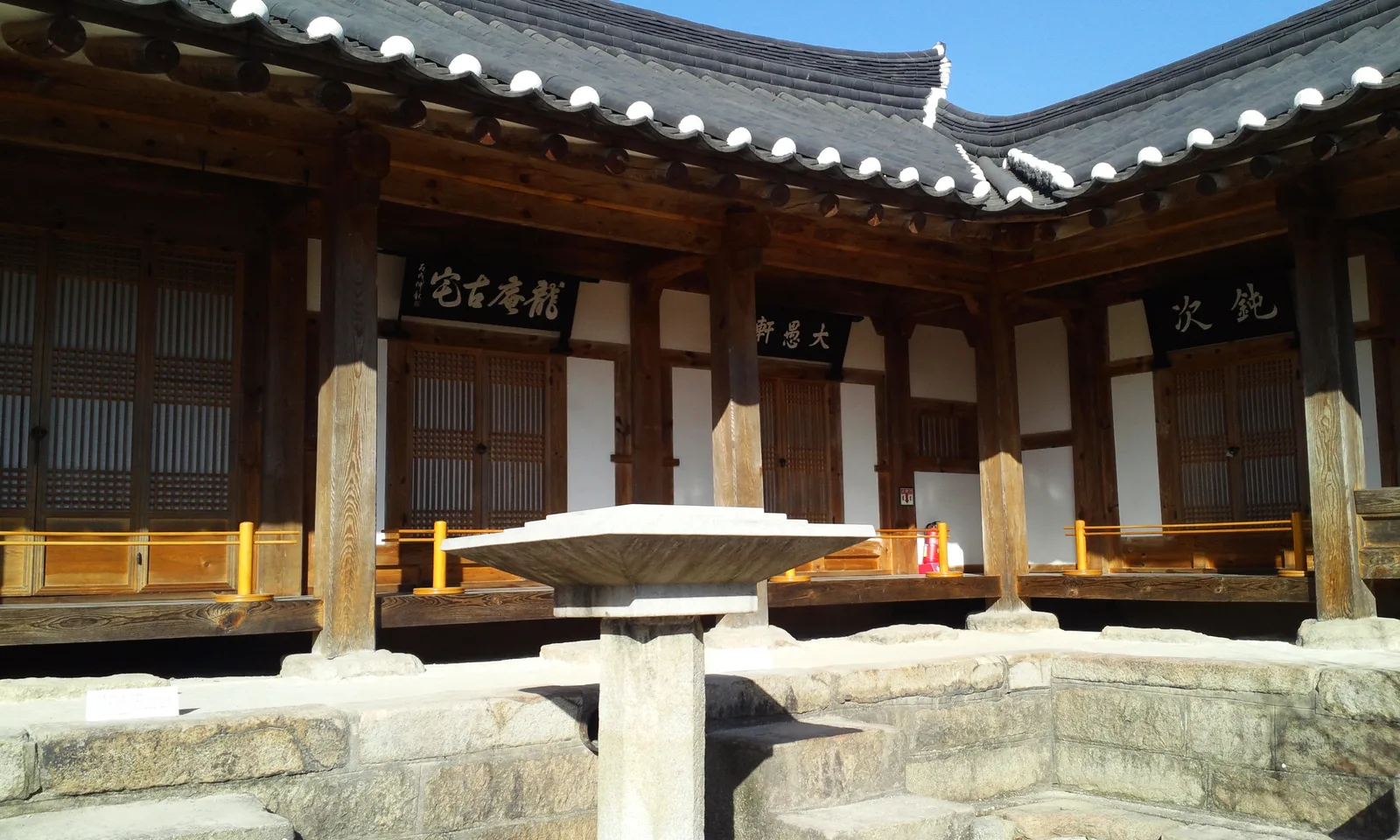
Skip to main content← All guidesGyochon Hanok Village in Gyeongju. Group nearby stops before choosing each local bus or walking segment.Photo: Choi2451 · CC BY-SA 3.0 · resized
PLANNING · GUIDE
Traveling around Gyeongju without a car
Walk the compact historic center, use current city-bus information for Bomun and Bulguksa, distinguish Gyeongju KTX station from the downtown bus terminals, and protect the final return before adding a distant coastal or mountain stop.
Gyeongju KTX station, express bus terminal or intercity bus terminal→A clustered heritage route with a confirmed return
USE IT ON THE TRIP
Keep this guide for the day you need it.
Add it to an itinerary, or ask travelers when one detail may have changed since the last official check.
Current routes 10 and 11 serve major tourism areas
LAST CHECKEDAugust 22, 202622 days ago. Fares, routes and final train times change—confirm live before you travel.
WHAT TO DO
Follow the trip in order.
Scan the essentials first. Open a step only when you need the detail.
Before you go
1Identify the real arrival pointA KTX ticket, express bus and intercity bus place you at different starting points.
A KTX ticket, express bus and intercity bus place you at different starting points. Save the Korean station or terminal name and include the connection to the accommodation or historic center.
2Make the Silla center one walking dayCluster the central tombs, Cheomseongdae, Wolseong, museum area and evening heritage stops according to current opening and ticket rules.
Cluster the central tombs, Cheomseongdae, Wolseong, museum area and evening heritage stops according to current opening and ticket rules. Avoid leaving the center for one remote pin and returning.
After arrival
3Use live bus information for Bomun and BulguksaGyeongju tourism identifies routes 10 and 11 as useful tourism corridors in opposite directions.
Gyeongju tourism identifies routes 10 and 11 as useful tourism corridors in opposite directions. Confirm today's stop, direction, interval and final return before boarding.
Look for 경주역 · 고속버스터미널 · 10번 · 11번
4Separate the coast and mountain sitesEast-coast, remote temple and mountain routes can require infrequent buses and long walks.
East-coast, remote temple and mountain routes can require infrequent buses and long walks. Give them a dedicated day or use a confirmed taxi or tour rather than attaching them to a downtown checklist.
During your trip
5Choose the night-view return before sunsetDonggung and Wolji and the central heritage area are popular after dark, but the final bus to a remote accommodation or KTX connection still contro…
Donggung and Wolji and the central heritage area are popular after dark, but the final bus to a remote accommodation or KTX connection still controls the evening. Save a legitimate taxi fallback.
6Ask at an official tourist information centerGyeongju lists information centers at the station, terminals and major attractions.
Gyeongju lists information centers at the station, terminals and major attractions. Use them to confirm current closures, route changes and the most practical stop.
COMPARE OPTIONS
Choose without rereading the page.
Option
Best for
Cost
Watch out
Historic-center walking route
Central Silla heritage and evening views without repeated transport.
Admission costs by site · Half or full day
Check opening, last admission, weather and walking accessibility for each site.
City bus corridor
Bomun, Bulguksa and attractions along a confirmed route.
Current local bus fare · Timetable and traffic-dependent
Route numbers and old published intervals are not a substitute for today's live information.
Taxi or official city tour
Remote sites, a group, limited mobility or a fragile final return.
Meter, quote or tour price · Booked route
Confirm pickup, waiting, route, inclusions and cancellation before paying.
AVOID THESE MISTAKES
4 mistakes worth remembering.
Assuming the KTX station is in the historic center.
Do this instead Include the station-to-city bus or taxi in both arrival and departure plans.
Putting downtown, Bulguksa, Bomun and the coast in one day.
Do this instead Cluster the center and give outer areas their own corridor or day.
Using an old bus interval as a promise.
Do this instead Check today's stop, direction and final return in live information.
Starting a night view without a return plan.
Do this instead Confirm the final useful bus or taxi pickup before sunset.
TRAVELER FAQ
Answers before you leave.
Is central Gyeongju walkable?
Much of the historic center can be clustered on foot, but Bomun, Bulguksa, the coast and the KTX station are separate transport segments.
Which buses are useful for first-time visitors?
Gyeongju's official tourism site highlights routes 10 and 11 for major tourism areas. Confirm the current direction and timetable before travel.
Is Gyeongju KTX station downtown?
No. Include the current local bus or taxi connection to the historic center and protect the return for your train.
Can I add the east coast to a one-day historic trip?
It is usually a separate corridor with longer and less frequent transport. Only combine it when live schedules and a robust return make the full route realistic.
Where can I confirm routes in person?
Gyeongju publishes tourist information centers at the station, bus terminal and major tourism areas; confirm the current office and hours before relying on it.
A car-free Andong plan separating the city, Hahoe Village and outer Confucian sites, with exact arrival points, current local buses, a protected return and a realistic taxi fallback.
A car-free Daejeon day that separates three arrival nodes, keeps bread and old-center stops walkable, treats the science district as another corridor, and protects the final train or bus.
A privacy-safe guide to KBS Yeouido, MBC and SBS around Sangam DMC, explaining visitor halls, public plazas, mall businesses, ticket-only recordings, photography, queues, private workplace boundaries and the return route.
Sources & verification3 official sources · August 22, 2026
Check it yourself.
Every changing rule stays attached to the organization responsible for it.
A ten-step arrival workflow that keeps entry decisions, offline essentials, connectivity, payment, airport transport, local transit, accommodation access and help numbers current and usable.
A practical navigation setup for Korea: choosing a local map, searching Korean names, saving road addresses, reading station exits and preparing a taxi-ready address card.
How to choose between station lockers, Seoul T-Luggage storage and same-day delivery, with size checks, operating-hour limits, prohibited items and a safe handoff record.