Carry a Korean allergy card, ask about broth, sauce and shared equipment before ordering, and leave when a restaurant cannot confirm what matters to your safety.
Choosing food with a dietary restriction→A meal whose limits were clearly confirmed
USE IT ON THE TRIP
Keep this guide for the day you need it.
Add it to an itinerary, or ask travelers when one detail may have changed since the last official check.
LAST CHECKEDAugust 22, 202622 days ago. Fares, routes and final train times change—confirm live before you travel.
WHAT TO DO
Follow the trip in order.
Scan the essentials first. Open a step only when you need the detail.
Before ordering
1Prepare a specific Korean safety cardList the exact allergens or restriction in Korean and English, including whether small amounts, broth or shared equipment are unsafe.
List the exact allergens or restriction in Korean and English, including whether small amounts, broth or shared equipment are unsafe. Keep the card offline.
Watch out A generic 'I have allergies' message does not tell the kitchen what to avoid.
2Choose a venue that can answerPrefer packaged food with a readable label or a restaurant able to explain ingredients.
Prefer packaged food with a readable label or a restaurant able to explain ingredients. If staff cannot confirm, choose another meal.
At the table
3Ask about the base, not only the toppingConfirm broth, sauce, marinade, kimchi, batter and side dishes.
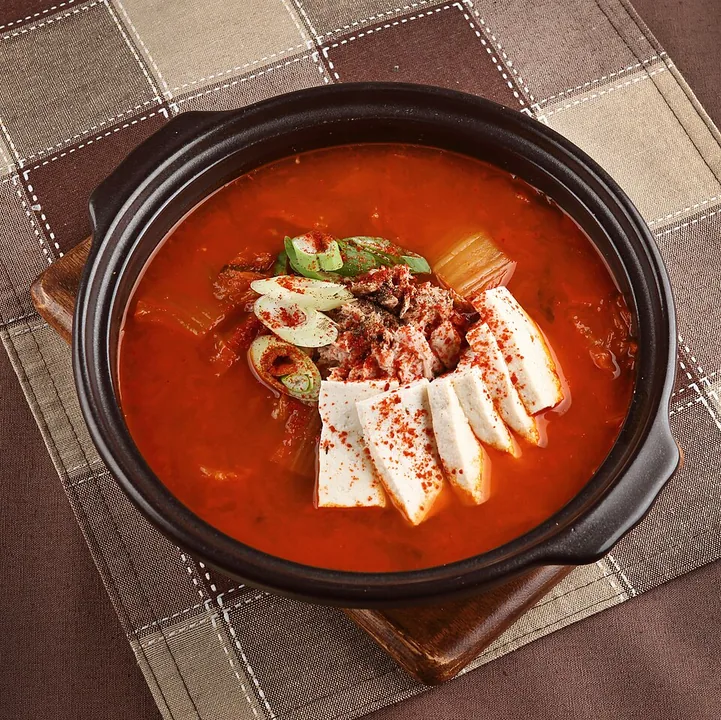
Confirm broth, sauce, marinade, kimchi, batter and side dishes. A vegetable-looking dish may contain anchovy, fish sauce, meat stock, egg or dairy.
Look for 원재료명 · 알레르기 · 함유
4Ask about shared equipmentFor a serious allergy, ask whether the same oil, grill, knife, tongs, pot or ladle touches the allergen.
For a serious allergy, ask whether the same oil, grill, knife, tongs, pot or ladle touches the allergen.
Watch out Removing one ingredient after cooking does not undo cross-contact.
If plans change
5Keep medication and the emergency plan with youCarry medication exactly as prescribed by your clinician and keep your location and 119 call plan available.
Carry medication exactly as prescribed by your clinician and keep your location and 119 call plan available. Travel companions should know where the medication is.
Watch out This guide does not replace personal medical advice.
6Treat a severe reaction as an emergencyCall 119 for breathing difficulty, collapse or another severe reaction and show the Korean allergy card.
Call 119 for breathing difficulty, collapse or another severe reaction and show the Korean allergy card. Use 1330 for non-emergency travel interpretation only.
COMPARE OPTIONS
Choose without rereading the page.
Option
Best for
Cost
Watch out
Packaged food with a Korean label
When a regulated ingredient and allergen panel is easier to verify than a verbal answer.
Product price · Immediate label check
Read both the allergen line and shared-process warning; products change.
Restaurant able to confirm ingredients
A cooked meal when staff can check the recipe and shared equipment.
Menu price · Ask before ordering
A vegetarian or halal label is not automatically an allergy-control claim.
Simple backup meal
Leaving safely when the kitchen cannot confirm the restriction.
Varies · Keep available
Choose a backup you have personally verified rather than a generic recommendation.
AVOID THESE MISTAKES
4 mistakes worth remembering.
Pointing at a visible ingredient and asking staff to remove it.
Do this instead Ask whether the broth, sauce and shared equipment also contain or touch it.
Assuming vegetarian means vegan, halal or allergy-safe.
Do this instead State the exact restriction and confirm each relevant ingredient and cross-contact risk.
Relying on romanized Korean during a serious allergy discussion.
Do this instead Show a written Korean card and confirm the answer.
Calling a travel helpline during a severe reaction.
Do this instead Call 119 first for a medical emergency; interpretation help can follow.
TRAVELER FAQ
Answers before you leave.
Are allergens shown on Korean packaged food?
Korean food-safety guidance requires listed allergens to be marked around the ingredient information and can include a shared-process warning. Translate and check both.
Is kimchi vegetarian?
Not automatically. Recipes can include fish sauce or seafood products, so confirm the exact product or kitchen.
Does removing meat make a dish vegetarian?
No. Meat or seafood stock, sauce, garnish and shared cooking equipment may remain.
Is a halal restaurant automatically safe for my allergy?
No. Religious dietary handling and allergen control are different claims. Ask about the exact allergen and cross-contact.
What number do I call for a severe allergic reaction?
Call 119 for emergency medical help. Give your location first and show the Korean allergy card.
A practical Korean traditional-liquor class guide covering makgeolli and other formats, reservation and language, age and tasting, rice and nuruk allergens, sanitation, fermentation, pressure, storage, transport, customs and a dated brewery footprint.
A practical Korean menu decision guide for travelers who want serious heat and travelers who need a mild meal, with order phrases, adjustable choices, hidden broth risks and a fallback when the kitchen cannot change a prepared sauce.
Sources & verification3 official sources · August 22, 2026
Check it yourself.
Every changing rule stays attached to the organization responsible for it.
A first traditional-market visit without payment surprises: choosing the right time, ordering a portion, asking about price and ingredients, carrying food, sorting waste and respecting working aisles and local shoppers.
A practical first visit to a Korean convenience store: choosing food, reading labels, heating a meal, handling waste, buying or reloading Tmoney and checking which services that exact branch provides.
A practical Korea dining guide for vegetarians and vegans, with an ingredient card, hidden-stock checks, adjustable meal choices, packaged-food fallbacks and a separate safety rule for food allergies.