MONEY · GUIDE
Paying for things in Korea
Cards work in most places. Still carry some cash and a backup card.
Arrival with a foreign card→Paying without friction
 ← All guides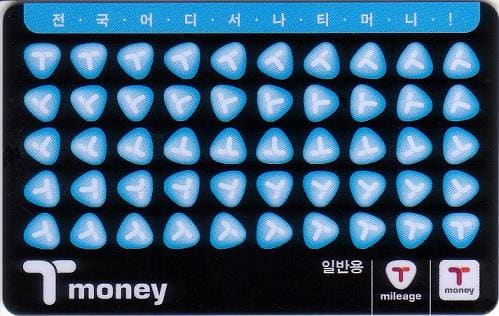
MONEY · GUIDE
Cards work in most places. Still carry some cash and a backup card.
USE IT ON THE TRIP
QUICK ANSWER
WHAT TO DO
Before departure, use the official card app or support channel to check whether travel notice is required, how overseas transactions are verified, which foreign-transaction or ATM fees apply and how to freeze or replace the card.
Watch out Do not search the web for a support number after a decline. Save the issuer's official contact route offline without storing the PIN or verification codes.
Two cards from different networks, stored in different places, covers loss, theft, a bank block, and a merchant that only takes one network.
Watch out Two cards in the same wallet solve none of those problems.
Before a non-refundable service or opened order begins, match the item, quantity, included tax or service and total shown in Korean won. Ask whether this exact counter, kiosk, taxi, stall or booking channel accepts your foreign card.
Look for 가격 · 총금액 · 결제금액 · 카드 · 현금 · 해외카드
Watch out An old menu photo, another branch, a logo on the door or domestic-card acceptance does not establish today's price or acceptance for your card.
If a terminal or ATM offers Dynamic Currency Conversion, read the local KRW amount, home-currency amount, disclosed exchange rate and markup. Compare the offer with your issuer's foreign-transaction and conversion terms; where offered, you may decline the conversion and continue in KRW.
Look for KRW · 원화 · 자국통화 · 환율 · 수수료
Watch out Do not let staff or a preselected screen make the transaction-currency choice without your informed consent. Neither this guide nor a terminal icon can name one universally cheapest option.
Tap, insert or swipe once as directed, shield the PIN and wait for an approval, decline or staff confirmation. Match the receipt's amount, currency and merchant with the issuer notification when available and keep the record until any refund settles.
Look for 승인 · 거절 · 처리중 · 영수증 · 승인번호 · 취소
Watch out A repeated tap can create uncertain or duplicate pending transactions. If staff say it failed, ask them to check the terminal record before using another method.
Confirm whether the first attempt was approved, declined or voided, then check the issuer's official app or support route. Only after that should you use the separately stored backup card or an agreed cash payment and retain both records.
Watch out Never share a one-time verification code, full card number or PIN with staff, and do not assume every pending line will disappear automatically.
Use a bank or another trusted visible location, check that the exact card network is supported and read the operator fee, withdrawal amount and any conversion choice. Collect the card, cash and receipt before leaving.
Look for Global ATM · 해외카드 · 출금 · 수수료 · KRW
Watch out An English menu or globe symbol is not a compatibility guarantee. Decline unsolicited help and contact the issuer through its official route if the machine retains the card.
T-money, EZL, Climate Card and single-journey tickets follow the exact product, machine and region. Confirm card cost, load amount, accepted payment method, coverage and refund route, then keep a modest separate return reserve.
Look for 교통카드 · 충전 · 발매기 · 티머니 · 기후동행카드
Watch out International-card support at a specific new Seoul machine does not mean every T-money reload, convenience-store counter or regional transit system accepts the same method.
COMPARE OPTIONS
| Option | Best for | Cost | Watch out |
|---|---|---|---|
| Foreign credit or debit card | A merchant and terminal that confirm acceptance of your exact card. | Your bank's foreign transaction terms · Instant | Acceptance is not universal. Read any DCC choice and preserve an uncertain first attempt before retrying. |
| Cash in Korean won | A confirmed cash-only purchase, a card failure and a protected return reserve. | Exchange or ATM fees · Instant | Not every ATM accepts foreign cards. Withdraw before you are short rather than after. |
| Transit card | Subway, bus, and often convenience stores as well. | Card cost plus what you load · Tap to pay | Purchase, reload payment, coverage and refund rules depend on the exact product, machine and region. |
ILLUSTRATED GUIDES
AVOID THESE MISTAKES
Do this instead Carry a second card and some won. Nearly every payment horror story starts with a single point of failure.
Do this instead Confirm the exact foreign card and terminal before a non-refundable service or opened order begins.
Do this instead Get enough to be safe, then decide the rest once you are in the city and know your actual spending.
Do this instead Compare T-money with the short-term Climate Card first. The cheaper option depends on your itinerary.
Do this instead Read the KRW and home-currency amounts, disclosed rate and markup, compare your issuer terms and make the DCC choice yourself.
Do this instead Ask the merchant to check the terminal record and confirm the issuer status before using another method.
TRAVELER FAQ
The answer depends on whether you are buying a product, reloading a stored-value card or purchasing a single journey, and on the exact machine. Check the current product and machine notice rather than applying retail-card acceptance to transit.
Both work. Compare your own bank's withdrawal fees against the counter rate. What matters more is that not all ATMs take foreign cards, so do not leave it until you are out of cash.
Tipping is not a general expectation in Korea. Paying the stated price is normal and not considered rude.
Domestic mobile payment systems are widespread but often require a Korean bank account or card. Do not plan around them as a visitor.
First confirm that the latest attempt was declined or voided rather than pending or approved. Use the issuer's official support route, then switch to the separately stored backup or agreed cash while retaining both records.
Read both amounts, the disclosed DCC exchange rate and markup, then compare them with your own issuer's foreign-transaction and conversion terms. Make the choice yourself; no option is universally cheapest for every card.
Every changing rule stays attached to the organization responsible for it.
Last checked August 24, 2026. Korea Era edits these guides from official sources and does not decide eligibility, fares or schedules on your behalf.