SEOUL · SEONGSU
Seongsu
성수
Pop-ups, cafés and converted factories. A walkable cluster for brand pop-ups, design shops, Seoul Forest and new cafés.
 ← Korea map
SEOUL · SEONGSU
성수
Pop-ups, cafés and converted factories. A walkable cluster for brand pop-ups, design shops, Seoul Forest and new cafés.
17 VERIFIED RECORDS
A working neighbourhood of converted industrial buildings, cafés, design shops and temporary pop-ups next to Seoul Forest.
A converted industrial complex used for exhibitions, pop-ups, fashion events, food and cultural programmes in Seongsu; the site lists broad 10:00–22:00 access but tenants and events set their own times and admission, so confirm the exact hall, ticket, queue and last entry, and note that parking is paid in short time increments and can fill during major events.
A dense Chinese-Korean restaurant district near Konkuk University Station, known for lamb skewers, regional Chinese dishes and bilingual shop signs rather than one controlled attraction. Every restaurant sets its own hours, menu, spice, portion and card policy, so choose a specific shop, confirm meat and allergens and respect residents in the surrounding lanes.
A free family learning space inside Seoul Forest with tropical plants, small aquatic ecology displays and seasonal insect observation; it opens Tuesday through Sunday, generally 10:00–17:00 in summer and 11:00–16:00 in winter, so confirm seasonal hours and temporary exhibit closures, supervise children and treat the greenhouse as a compact add-on rather than the whole park.
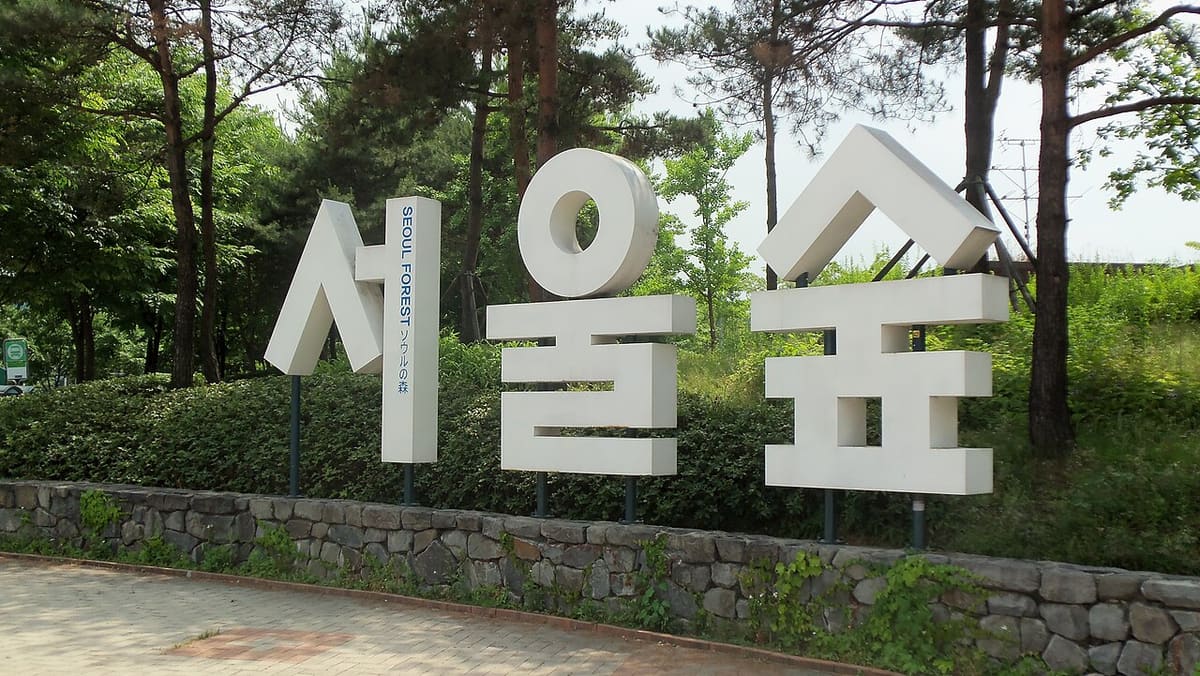
A royal hunting ground, then a racetrack, now an ecological park with five themed areas.
A museum occupying parts of Korea's first modern water-purification plant, explaining Seoul's drinking-water history through preserved industrial buildings, machinery and family learning spaces; published hours are 09:00–18:00, but closures and programmes should be confirmed, and visitors should follow the designated museum route because the wider site remains connected to water infrastructure.
A long Joseon stone bridge across the Jungnangcheon system, historically linking the capital toward the east and now approached from riverside paths; it is listed always open but has no dedicated parking, so use the marked pedestrian approach, watch for wet or icy stone, stay clear of cycle traffic and do not climb railings or enter the channel after rain.
A performing-arts complex near Konkuk University Station with large and small theatres, an exhibition gallery and programmes spanning music, dance, theatre and family shows. The venue commonly operates daytime office hours and closes Monday, but audience access follows the event, so confirm the exact hall, ticket, final entry and parking before travelling.
A circular-design complex combining exhibitions, material research, studios, shops and hands-on upcycling education; published hours are 10:00–18:00 with Sunday closure and some Saturday material-bank access limited to advance reservations, so verify the exact tour or workshop, age and material fee, and distinguish public galleries from booked production spaces.
An open-now outdoor event listed on Seoul's official visitor calendar.
A free campus museum with archaeology, history and university collections plus changing exhibitions; published hours are 10:00–17:00 with final entry at 16:30 and closure on Sundays and legal holidays, so confirm semester or exhibition changes, carry identification if campus access requires it and use paid university parking only after checking the current visitor route.
A large family park with lawns, woodland, animal exhibits, playgrounds, fountains and separately operated rides around a free public landscape. The gates, zoo and paid facilities keep different hours, and the botanical garden is suspended from May 2026 until the second half of 2027, so choose the correct entrance and check each target facility.
A free water-and-environment play centre for young children inside Seoul Children's Grand Park, using hands-on exhibits to explain Seoul tap water. Entry runs by reserved session and targets a limited age range, so confirm the child's eligibility, guardian rules, Monday and holiday closures and exact park route before arrival.
A multi-level children's museum in Seoul Children's Grand Park with creative play, science, sensory and accessible family exhibits. Timed online reservation is normally required and final admission precedes the 18:00 close, so check maintenance days, age suitability, stroller and meal rules and reserve the museum separately from the park.
A children's road-safety experience inside Seoul Children's Grand Park with miniature driving courses, signals, pedestrian training and age-specific licence activities. Advance website reservation is required and sessions, eligible ages and holiday closures are strict, so book the correct programme and do not confuse park entry with a confirmed activity place.
A hands-on disaster-safety centre beside Children's Grand Park with guided simulations for fire, earthquake, storms and evacuation. Online advance reservation is essential and some activities require long trousers and socks, so check age, clothing, language, arrival and participation rules before booking a family itinerary.
A four-season riverside park with lawns, rose garden, playgrounds, water sports, climbing and the distinctive J-Bug cultural passage connected directly to Ttukseom Resort Station. The park is generally always open, but floods, heat, rentals and seasonal pools or sledding have separate controls, so check river conditions and keep cycle lanes clear.
BEFORE YOU GO
Match the domestic or international terminal first, then compare the complete live rail, bus and designated-taxi route to the exact Korean accommodation entrance.
Confirm your terminal and exact accommodation, compare each option door to door with live service, then board only after matching the ticket, platform or stand and keeping a late-arrival fallback.
Save the exact Korean destination, verify the live line and direction, use a compatible transit product, and keep the final exit, bus stop and last useful departure in the same route plan.
Plan the complete step-free chain—vehicle, station elevator, pavement, entrance, restroom and return route—confirm each facility shortly before travel, and reserve Seoul Danurim support early when an accessible vehicle or assistive device is essential.
For ordinary rain, rebuild the day around one or two confirmed indoor stops; for a heavy-rain or flood alert, stop sightseeing, avoid streams, slopes, underpasses and flooded roads, and follow KMA and Seoul emergency instructions.
Check the KMA heat-risk level, move outdoor sights to early morning or evening, avoid strenuous activity from noon to 5 PM when high risk is forecast, and stop in a cooled public space at the first sign of heat illness.
Check KMA warnings and transport conditions, shorten exposed walks, use layers with covered hands and head, choose main cleared routes, and move indoors immediately if numbness, confusion or extreme fatigue appears.
Stop chasing a departed connection, confirm your Korean destination and live night-bus route, compare the current taxi fare and pickup, and wait only in a safe staffed place while protecting your phone battery.
Choose the exact Hangang park and subway exit, check today's weather and park notices, use only current permitted tent and delivery zones, keep clear of bicycle paths and the river edge, and leave with every item and sorted bag of waste.
Choose the palace and return route before the rental shop, compare the complete time, deposit and late-return terms, wear a proper upper and lower hanbok that meets the palace guideline, save the shop details and return time, and check each palace's live admission and reservation rules.
Compare KTX, SRT, conventional KORAIL trains, express buses and a Gimpo-to-Gimhae flight by your real door-to-door time, departure point, luggage and live fare before booking.
Choose a real public purpose such as the KBS Visitor Hall, Sangam Cultural Plaza or an ordinary MBC Mall business; enter a recording only through its current official ticket notice, and exclude staff doors, vehicle gates and person-tracking from the trip.
Check passport-based entry rules on official pages, save an offline arrival pack, then compare connectivity, payment, airport transport, transit and first-night access for the exact trip.
Call 112 for police response to crime or danger, 119 for fire, rescue or emergency medical dispatch, and use 1330 only for non-emergency travel information and interpretation.
RECENT FIRSTHAND UPDATES
OTHER AREAS